
Problems with Plastic
By Heather Merchant, Creation Care Team member
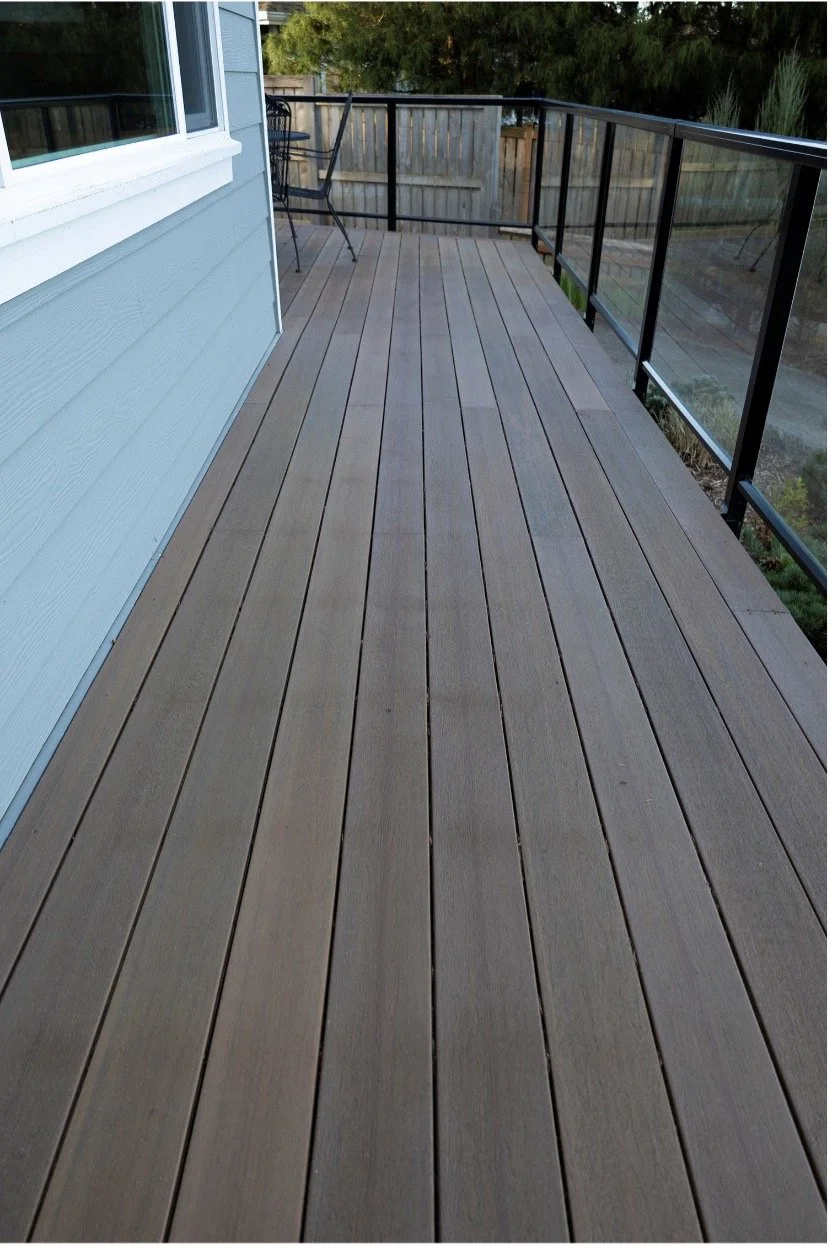
The environment wins in this home decking made of recycled plastic. A standard 16-foot deck board contains recycled materials from approximately 2,250 plastic bags.
Have you noticed, as I have over the years, the increase in plastic packaging? M&M pouches are no longer paper, fewer soup cans are metal, toothpaste and medicine ointments formerly in metal tubes are now in plastic, to name just a few. Add to that the ubiquitous plastic grocery bags and it seems that our world is inundated with plastic.
The deluge of plastics began slowly in the 1950s through the 1970s. Then, between the ‘70s and ‘90s, plastic production and waste more than tripled. Both have continued to grow yearly since.
Half of the plastic produced each year is intended for single use, meaning it’s meant to be used once and then thrown away. A mind-boggling five trillion plastic bags are used every year worldwide.
Sadly, more than three-quarters of the 35 million tons of plastic waste generated every year end up in landfills. Only 3 million tons (9 percent) of the plastic produced annually gets recycled. Part of the problem is that plastic film and plastic bags are tricky to recycle. Their stretchiness and flexibility—the very characteristic that makes them great for packaging—wreaks havoc with recycling machinery. While most plastic film can be recycled, many cities have decided to stop including them in their curbside collection programs because of the damage caused to sorting machines.
The U.S. company Trex is one of the largest recyclers of plastic film in North America, using more than 400 million pounds of recycled plastics—including more than 1.5 billion plastic bags. Their main product is high-performance, wood-alternative decking. A standard 16-foot Trex deck board contains recycled materials from approximately 2,250 plastic bags and is 95 percent recycled content.
The Seattle company Ridwell collects and finds markets for difficult-to-recycle materials. Nearly all Trex’s recycled plastic films come from post-consumer sources like Ridwell; the additional sources include distribution centers for food, auto parts, and consumer goods where large amounts of shrink wrap are removed from pallets. Ridwell is part of theNexTrex™ Program, a recycling program that engages more than 30,000 retailers and distributors nationwide to repurpose the plastic waste they accumulate.
“NexTrex is a prime example of an initiative where everybody wins,” explained Dave Heglas, senior director of supply chain excellence for Trex Company. “Our commercial partners like Ridwell win by providing their customers with an environmentally responsible way to dispose of plastic waste. Trex wins by collecting a key ingredient to make our products. And, ultimately, we all win by keeping tons of single-use and packaging plastic from ending up in landfills.”
If you are interested in shrinking your waste footprint and learning more about Ridwell, visit their site here.
It’s not too late to save your plastic film for the big recycling event at BCC, Saturday, April 25, 12-3 pm. The Creation Care team is working with Ridwell to collect all kinds of plastic film that is not accepted by our city recycling program. We will accept clean grocery bags, zip-top bags, Amazon shipping envelopes, and thin, flexible plastic that wraps a lot of packaging. Ridwell will send all the plastics we collect to TREX to be recycled into plastic lumber. For more information on the recycling drive-through, visit this page.