
The Questions God Asks Us
It All Begins Here
By Phil Rushton | Lead Pastor
HI BCC family. I am looking forward to easing back into ministry in October after my medical leave. Thank you again for your care, patience, and continued engagement in ministry during the last two months.
Starting on October 4th, we are going to begin a new sermon series titled, “The Questions God Asks Us.” We often go to Scripture to find answers to life’s big questions, and rightly so. However, we often discover that God is the one posing questions to us. By one count, Jesus asks 305 questions in the four gospels.
Jesus is using a profound teaching strategy. Questions foster engagement rather than passivity. Rather than just giving us quick answers and loads of content, Jesus invites us to wrestle with and personalize theological truths. It has been my experience that I learn more when I have to teach something rather than when I just listen to someone else’s teachings. Engaging and wrestling with ideas is how we learn and grow!
Some of the questions we will look at in this series will be familiar and some might be new to us. I led a questions series quite a few years back, but this time around we will add some new questions in the mix and we bring in some different perspectives and voices to the conversation. Dave Benedict and Pastor Adria will be part of the teaching team for this series.
Some of the questions we will explore include:
“Where are you?” Genesis 3
“What do you want me to do for you?” Matthew 20
“What are you doing here?” 1 Kings 19
“What is that in your hand?” Exodus 4
“Who do you say that I am?” Mark 8
“What is your name?” Genesis 32
“Do you want to be made well?” John 5
My hope is that this series will invite us to reflect deeply on our relationship to God, self, others, and our vocation. These questions have the capacity to move us beyond passive observation to active participation in the life of discipleship.
God Bless,
Pastor Phil
Still Figuring It Out
It All Begins Here
By Jeff Grosskopf | Youth Pastor
One thing I love about Scripture is that Jesus seemed to have a particular fondness for people still figuring things out.
Nathanael was skeptical. Nicodemus was searching for answers. Thomas struggled with doubt. Mary noticed a problem at a wedding and trusted Jesus enough to bring it to Him. Martha was trying to make sense of what Jesus was asking of her.
They all came from different places, carrying different questions, expectations, and experiences. Jesus met each of them as they were, not as the finished versions of themselves.
In other words, Jesus spent a lot of time with people who were not exactly spiritually put together.
This is very relatable in youth ministry.
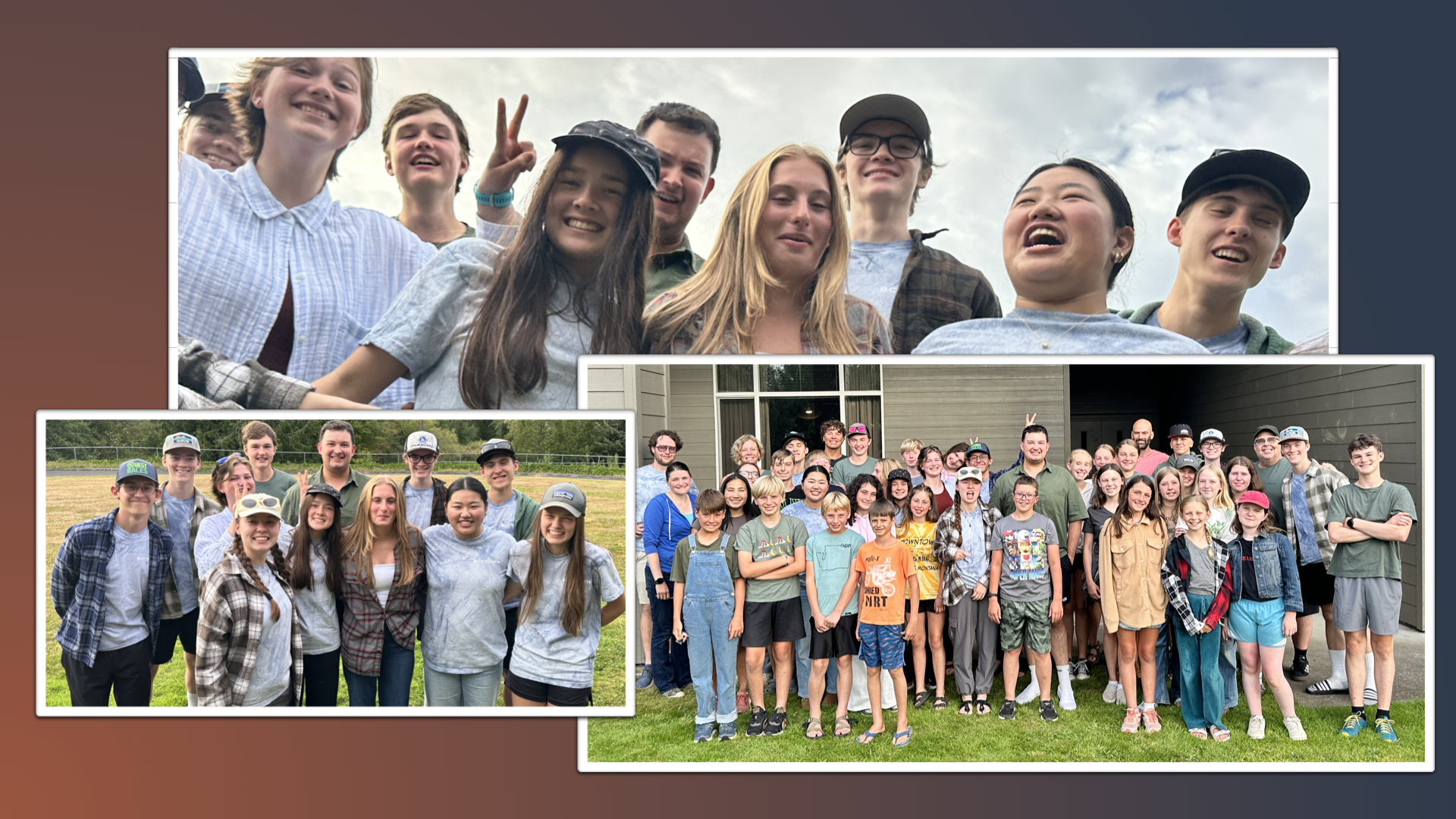
This year in BCC Youth, we're spending our Wednesday nights looking at some of the people who encountered Jesus face to face. We're calling the series Encounters with Jesus, because we want students to see that following Jesus has never been about having everything figured out before you come to Him.
It's about bringing who you are, where you are, with the questions you have, and discovering what happens when you meet Jesus there.
And here's the part I hope our whole church remembers: our students need us. But we need them, too. They need adults who will listen, encourage, challenge, and believe in them. And we need their questions, their perspective, their energy, and their faith. The church is better when generations aren't simply learning alongside each other, but actually learning from each other.
Sometimes youth ministry looks like a carefully planned Bible study.
Sometimes it looks like a theological conversation.
And sometimes it looks suspiciously like eating snacks while a teenager tells you about their week.
All of it matters.
Thank you for being a church that makes room for teenagers. Thank you to the people who teach, lead, pray, serve, drive, cook, listen, show up, and occasionally question where teenagers put all that food they eat. Every one of those things helps remind our students that they aren't just the future of the church. They are part of the church right now.
I’m grateful for you.
Because just like the people in the Gospels, our students are still figuring things out.
And we get to help them discover that Jesus is willing to meet them right there.
Statio: The Time Between the Times
It All Begins Here
By Rachel Gulleson
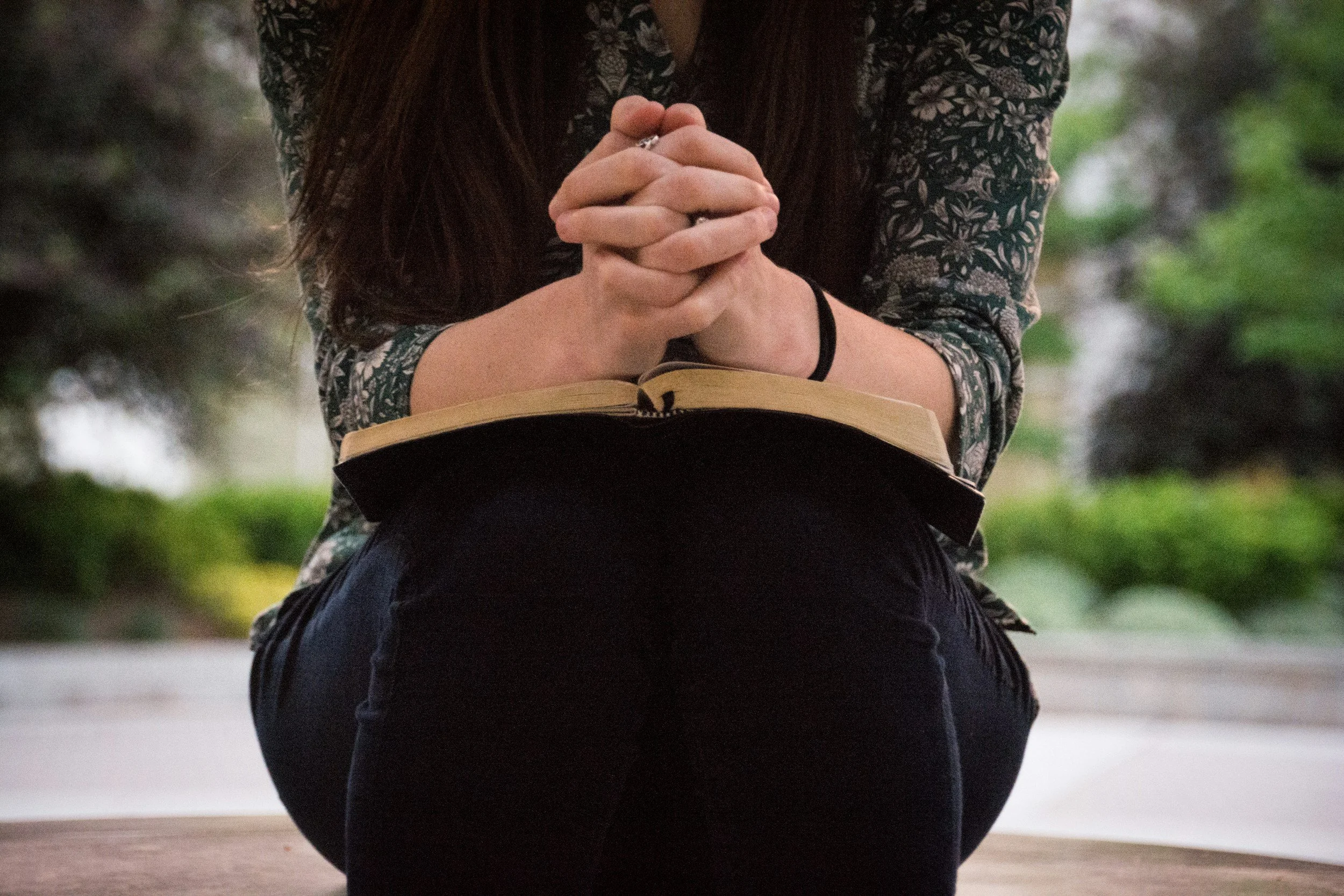
This past year, in conjunction with my internship at BCC, I took a class at Regent College called Supervised Ministry. The focus was on prayer, and we learned about different practices and incorporated them into our daily rhythms. Many of the practices were familiar to me from things we do at BCC, including the examen and lectio divina, but we touched on one that I was unfamiliar with but that has become very meaningful for me. It is a practice called statio, from the monastic tradition of pausing before entering into chapel for prayer. Simply put, statio is a Latin word meaning “station” or “position,” but in this case refers to a momentary pause to pray in between activities. This would mean, for monks and nuns, a pause to pray and prepare themselves before stepping into worship. In our modern, busy lives, it can simply be a moment to stop and acknowledge God’s presence before moving into our next activity.
The practice can be very simple, just a quick pause as you finish one activity and move into another. It is not meant to replace longer periods of prayer, but rather to increase your awareness of God as you move about your day. It could be a moment between meetings, the pause in your car before you step inside your house, or after being at work all day. Or perhaps a brief moment after you put your kids to bed and move into your evening. There are many ways to practice statio, but I found the STOP acronym to be helpful:
S—stop what you’re doing
T—take a deep breath
O—observe your thoughts and feelings
P—pray before your next activity
While this practice can take just a minute or two, it can be a way to slow our pace and be fully present. It is a way to intentionally cultivate an awareness of God in the everyday moments of our lives, whether we’re doing dishes or putting on our shoes before we step outside. I have found that this practice has helped me find an inner calm when the day is chaotic. It has also been helpful in combination with other prayer practices–particularly the examen, a longer practice often used at the end of the day to reflect on the ways we have been aware of God’s presence. If I have been practicing occasional moments of statio, I find I am much more aware of how God has been at work in my life throughout the day.
For further reading:
From Your BCC Library
It All Begins Here
By Nancy Henderson
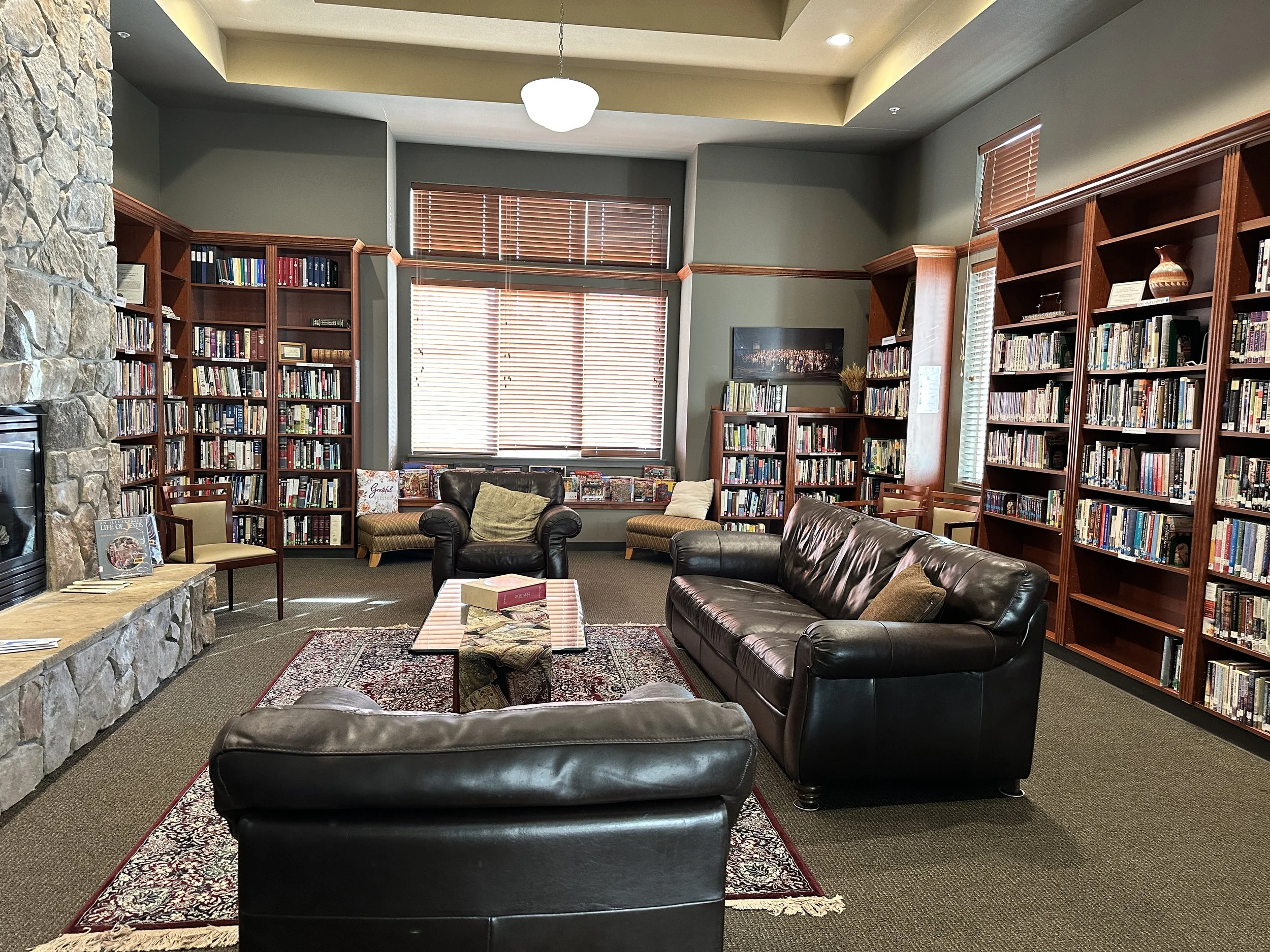
And suddenly it’s autumn! The longer evenings of this season offer time to enjoy a good book, or two, or three, or…. So as promised last month, we are delighted to introduce several more books new to our lovely library.
Have you ever considered how messed up our world is and wondered how you could deal with it? We definitely live in a crooked world of ideas elevated by crooked people. Left to our crooked nature, we can never truly understand what God has planned for us and His world. Yet God has not left us without a corrective solution. He has given us a reliable reference point—the Bible—so we can identify the crookedness and straighten it. Gary DeMar’s Thinking Straight in a Crooked World is designed to identify the bends in the road of ideas and repair them with biblical thinking. Interested? You’ll find it in the Christianity and Culture section.
Craig Loscalo’s Apologetic Preaching [sic]: Proclaiming Christ to a Postmodern World seems an intentional sequel to Gary DeMar’s book. Far from our idea of an apology, apologia means a defense for the faith. Whether preaching from a pulpit, helping believers understand the essentials of their faith more deeply, or reaching out to unbelievers or seekers, the author “shows and tells concretely how to communicate clearly and compellingly.” In this book ”for everyone who wants to proclaim the certainty of God’s Word in an era of change,” you’ll discover what it means to proclaim mystery in an age of information, hope in an era of skepticism, confidence in a time of doubt, truth in a climate of relativism, and Jesus Christ in a postmodern world. This book, too, can be found in the Christianity and Culture section.
In Shattered Dreams: God’s Unexpected Path to Joy, author and counselor Larry Crabb helps readers “learn how to look through life’s tragedies and see the lavish blessings God has for” them. He reminds us that “shattered dreams are never random. They are always a piece in a larger puzzle, a chapter in a larger story. The Holy Spirit uses the pain of shattered dreams to help us discover our desire for God, to help us begin dreaming the highest dream.” He wraps insights around the bold story of Naomi in the book of Ruth to help us gain an unforgettable picture of how God uses shattered dreams to release better dreams and a more fulfilling life for those He loves. Shattered Dreams can be found in the Christian Living section.
Streams of Living Water: “In this landmark work, Richard J. Foster examines the ‘streams of living water ’–the six dimensions of faith and practice that define Christian tradition. He illuminates the enduring character of each tradition in the midst of constantly evolving faith and shows how a variety of practices, from individual study and retreat to disciplines of service and community, are essential elements of growth to maturity. Foster examines the unique contributions of each of these traditions and offers as examples the inspiring stories of faithful people whose lives embodied each of these ‘streams’”. If this appeals to you, you can find it in the Christian Living section.
We wish you a relaxing, rewarding reading experience this autumn.
A Rainy and Glorious Day
It All Begins Here
By Amy Keiper-Gowan | Creation Care Team
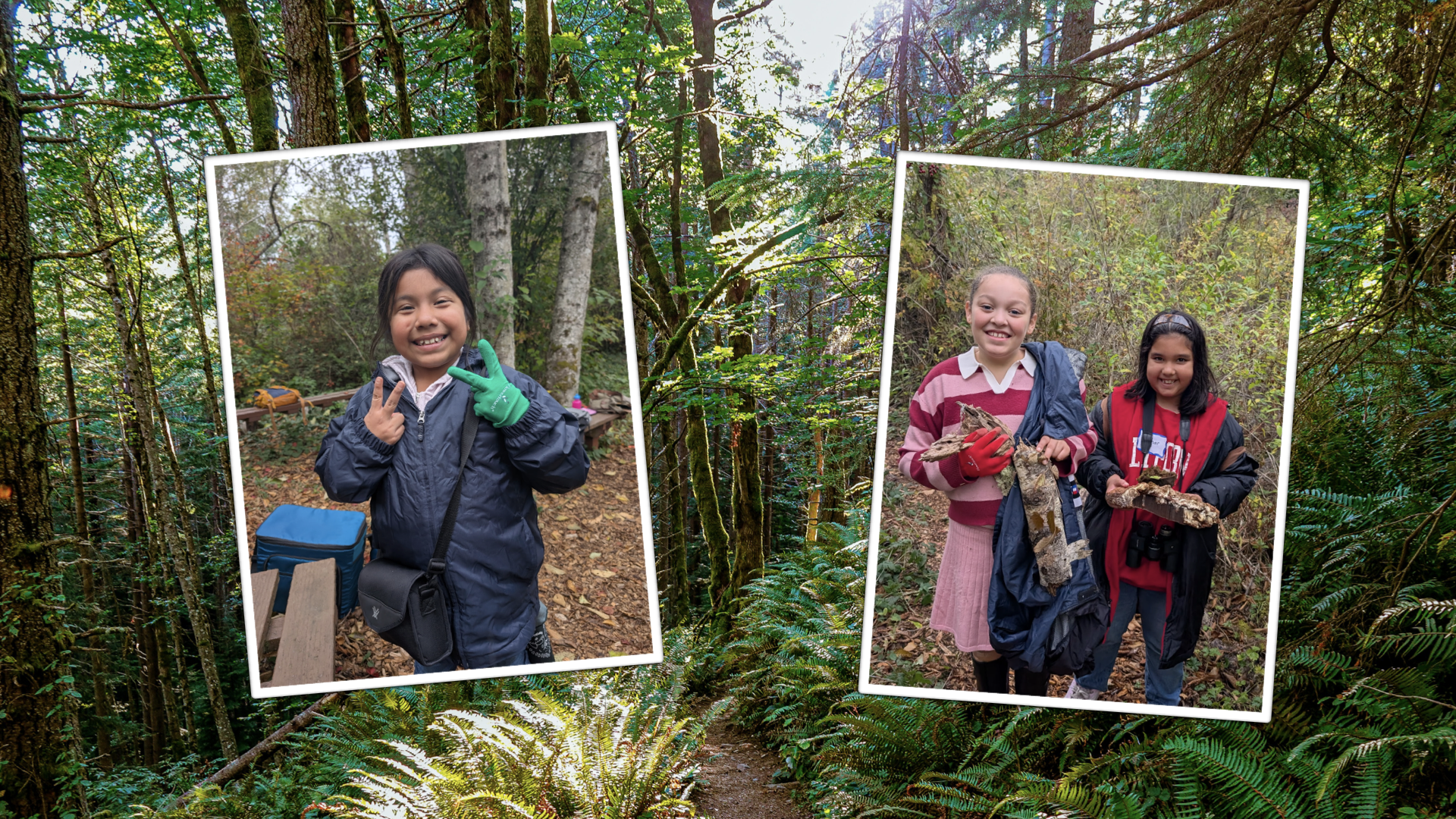
The girl stepped out of her 4th-grade school day at Cordata Elementary School, gave a big smile to Amy and educator Kate waiting outside the rented van. We made our way with the eight other kids to BCC and entered our “classroom,” the woodland behind our church building. She zipped up a raincoat she borrowed from the program and began decorating tree pieces for a name tag. She zoomed across the campfire clearing and into the reeds, as she played a muddy “Eagle Eye,” hiding behind logs with another girl with whom there is a growing friendship. During her forest investigation, she tramped with increasing confidence through the brambles to find evidence of living things changing form. She knelt down in the dirt, not caring that her skirt got dirty.
“Look at this!” she exclaimed, wide-eyed, holding up a huge polypore fungi. “This is growing on that log that’s falling apart…do you think the fungi eats something off the log? Does it make the log break down more? I’m bringing this back to show everyone!”
When it was time to document her learning in her nature journal, she slowed to a snail’s pace; her writing was huge and misshapen, and she struggled as she painstakingly tried to spell: “I learned….”
I quietly offered her assistance. She volunteered to help me move the Legos around to demonstrate that matter never goes away in an ecosystem, it just re-invents itself.
“I made a rabbit with my Legos,” said the girl.
“…And when it gets eaten by the osprey we saw earlier, it doesn’t just disappear,” I added. “Its body breaks down. Its atoms are like building blocks; after breaking apart, they come back together to make something new.”
“Like part of the osprey,” she said, pulling apart the Legos and re-building them as a bird.
As we dropped her off at her apartment complex, she looked back at us with a big smile, her hair still damp from the rain. “I wish I could do this school every day.” She ran to her mom, who waved at us from the apartment stairs.
It’s a comment we hear a lot.
This is Otters Den Nature School.
Otters Den Nature School is a registered Bellingham nonprofit working to make high-quality outdoor learning accessible to children regardless of family income. Our outdoor programs combine environmental education, science, social-emotional learning, stewardship, and—just as importantly—joy.
Bellingham Covenant Church has helped provide this experience to this student, through providing grants from the Mission Catalyst Fund to Otters Den Nature School (ODNS), the outdoor space to meet, volunteer help, and other forms of support. I serve as Director, and BCC members Nancy Lewis and Doreen Olson serve on the board.
This fall, nine students are participating in Outdoor School through October 22. Children play movement games, practice sensory and wilderness awareness skills, identify birds, keep nature journals, and investigate the ecosystems around them. They participate in instruction aligned with Washington State learning standards, turning the outdoors into a living classroom. Students might collect pond samples, for example, and use their observations and data to draw conclusions about water quality.
Students also learn from Whatcom County field professionals, such as biologists from the Whatcom Amphibian Monitoring Network (WAMN). These experiences introduce children to Washington STEM career pathways including conservation science, wildlife biology, forestry, and natural resource management.
We don’t stop at providing quality outdoor education. We are helping to bridge an equity gap to outdoor classrooms.
We are working to reach children who have historically had the least access to these opportunities. This year, 16 of the 18 children total we have served across both spring and fall programs have received full scholarships.
Where We Are Going
Beginning next year, our plan is to offer two 12-week Outdoor School seasons—spring and fall—with programming designed around the needs of local families, including families who live 60 percent below the annual median income. Most of these children attend Cordata Elementary. Transportation and scholarships will help remove significant barriers. One measure of success is if we can provide full scholarships to 25 percent of our students. (This is an unusually high percentage for environmental education organizations in Bellingham.)
To make this work sustainable, we need more than one-time grants and fundraising campaigns. We need a community willing to invest alongside us for the long term.
We invite you to become part of that community. We invite you to become a monthly donor, an annual giving partner, or to consider making a multi-year donation. We also invite you to consider volunteering your time or to pray for the students, staff, and board. These are great ways to practice gratitude for all God has done in your life through access to nature and to demonstrate the love of God to the less-privileged in our community. Thank you to all your generous support!
Learn more and donate at www.ottersden.org.